The Future of Commerce in Cameroon
The future of commerce in Cameroon is already appearing in fragments around us. It is in the seller posting products on WhatsApp status, the customer discovering something through TikTok, the...
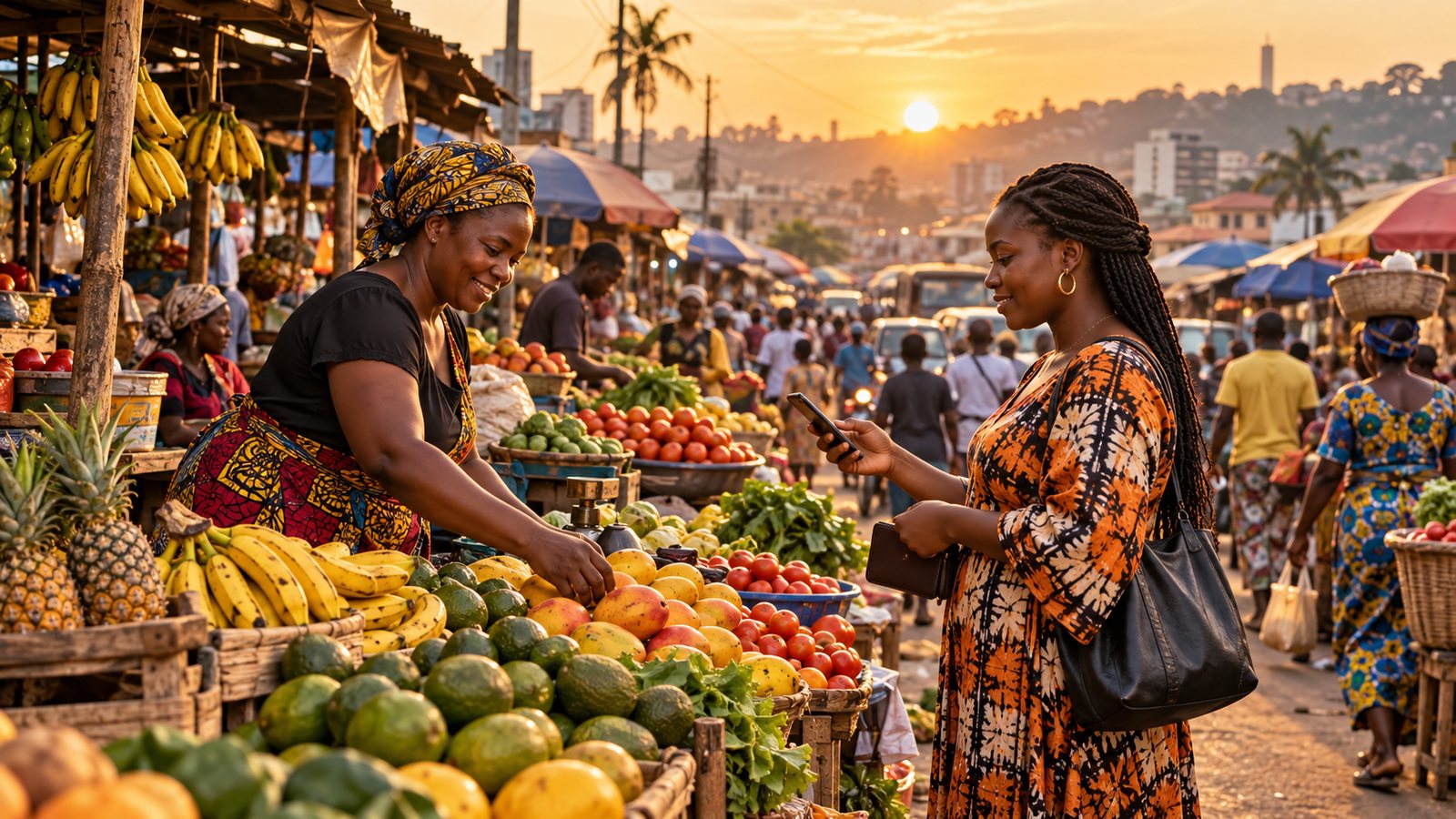
The future of commerce in Cameroon is already appearing in fragments around us. It is in the seller posting products on WhatsApp status, the customer discovering something through TikTok, the payment happening through mobile money and the delivery rider carrying the item across town. None of this looks exactly like the traditional picture of e-commerce, yet every part of the transaction is being coordinated digitally.
This matters because it suggests that Cameroon does not need to follow the same path every other market took before arriving at modern commerce. Our starting point is different, and that difference creates opportunities.
Mobile money is already embedded in everyday financial life. WhatsApp is already embedded in how businesses communicate. Social media already functions as a discovery engine for products. Informal businesses already understand distribution through relationships, referrals and communities. The challenge is not inventing digital behavior from nothing. The challenge is connecting the behavior that already exists to stronger infrastructure.
Today, much of the complexity still sits on the business owner. They answer the messages, check payments, remember orders, manage stock, organize delivery and follow up with customers manually. This works when the business is small because one person can carry the system inside their head. Growth eventually exposes the limits.
The next generation of commerce should move more of that coordination into software. Payments should connect to orders. Inventory should understand what has been sold. Customers should not disappear because a conversation became buried. Businesses should be able to understand what is happening without calculating everything manually at the end of the week.
Artificial intelligence adds another possibility because it changes how people can interact with these systems. A merchant may not need to know where the inventory report lives before asking what is running low. A customer may not need to browse through fifty categories before describing what they want.
This is one of the ideas behind TRIBE. We believe the future of commerce in Cameroon will increasingly sit at the intersection of fintech, social commerce, messaging, artificial intelligence and business software. These industries may look separate from the perspective of technology companies, but they are already connected inside the life of the customer.
There are still difficult problems. Logistics remains inconsistent. Digital trust needs improvement. Payments need stronger interoperability. Businesses need access to better tools, and infrastructure has to become more reliable.
But these are not signs that the market is not ready.
They are signs of what still needs to be built.
Cameroonians are already buying through phones, selling through conversations and moving money digitally. The next chapter is not about convincing everyone to become digital.
It is about making the digital economy they already participate in work significantly better.
Written by
TRIBE Editorial
Ideas about AI, money, business and the future of African commerce.
The future is conversational
Commerce should feel this simple.
Sell, get paid, automate your business, and manage customers with TRIBE.
Explore TRIBE