How to Accept Mobile Money Payments Online
The moment a business begins selling online, payment becomes one of the first places where friction appears. The customer may be ready to buy, but if completing the payment requires copying...

The moment a business begins selling online, payment becomes one of the first places where friction appears. The customer may be ready to buy, but if completing the payment requires copying numbers, switching applications, sending screenshots and waiting for someone to manually confirm the transaction, the experience can quickly become slower than it needs to be.
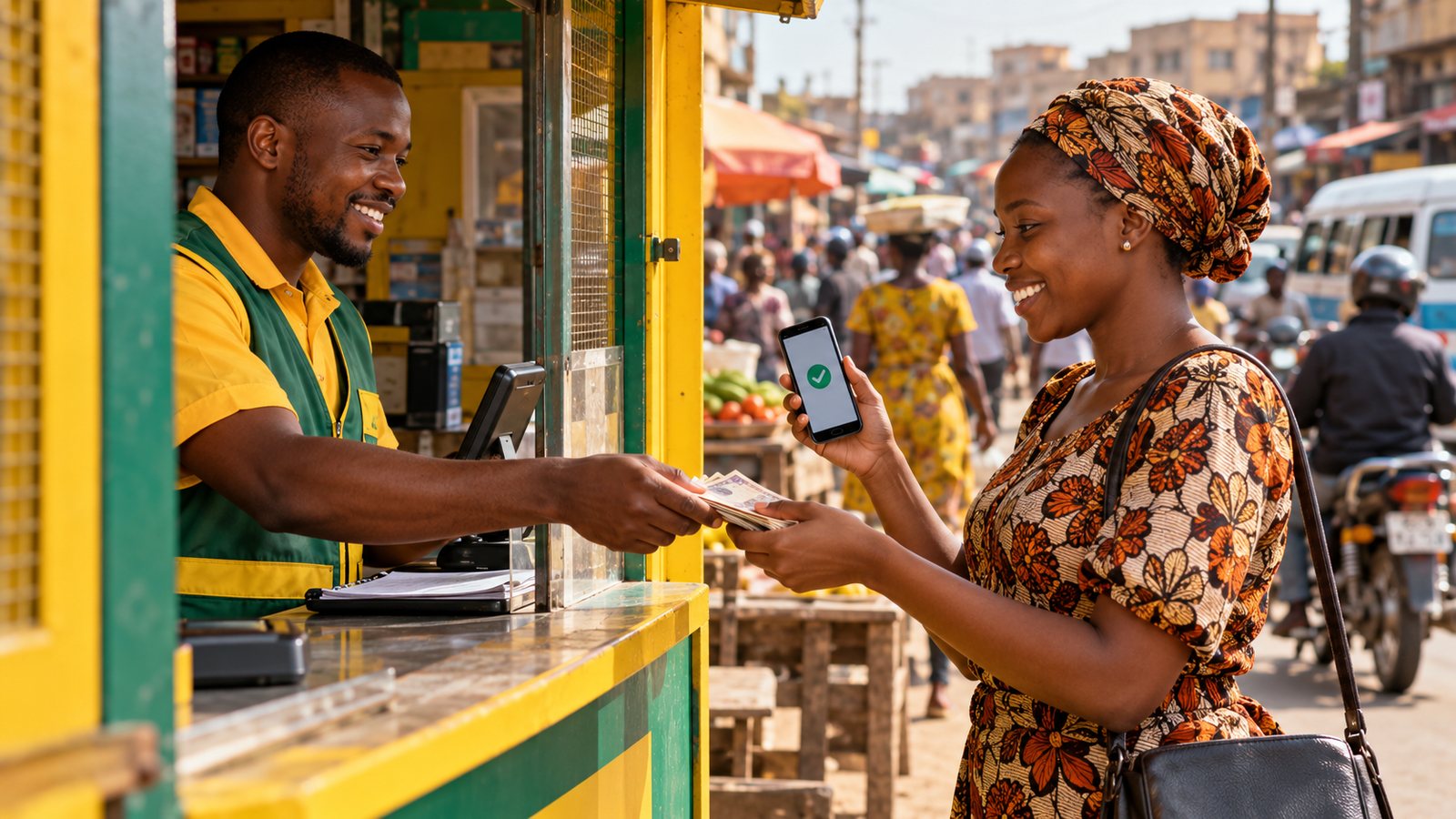
Mobile money already solves an important part of this problem because it gives millions of people a familiar way to pay digitally. In markets like Cameroon, customers are comfortable with services such as MTN Mobile Money and Orange Money, which makes them natural payment options for businesses selling through websites, applications, social media and WhatsApp.
At the smallest scale, accepting mobile money can be as simple as sharing a number and asking the customer to send the agreed amount. That works, but it also makes the seller responsible for connecting the payment to the order. As volumes grow, the business may receive several payments around the same time from numbers that do not match the customer names in the sales conversation.
This is why payment links and integrated payment systems become increasingly useful. A payment link can be generated for a specific amount or order and shared with the customer. An integrated payment system can go further by allowing the business’s application or commerce platform to communicate directly with the payment provider and receive reliable transaction status.
That connection changes the workflow. Instead of the seller checking screenshots manually, the system can know whether payment succeeded, failed or is still pending. A successful payment can update the order, generate a receipt or trigger the next stage of fulfillment.
The important thing is that online payment should be treated as part of the transaction rather than an isolated transfer. If a customer is paying 25,000 CFA, the business should know what that payment is for, who made it and what should happen after it succeeds.
This is one of the ideas behind TRIBE. We want businesses to be able to create orders, request payment and see transaction status without becoming payment engineers. The infrastructure underneath may be complicated, but the merchant experience should not have to be.
Security also matters. Screenshots should never replace actual payment confirmation, and sensitive financial actions should be handled through trusted payment systems rather than informal shortcuts.
Mobile money made digital payments much more accessible across Africa. The next step is making those payments feel native to digital commerce.
The customer should think about what they are buying.
The business should think about the sale.
The system should quietly take care of the complexity in between.
Written by
TRIBE Editorial
Ideas about AI, money, business and the future of African commerce.
The future is conversational
Commerce should feel this simple.
Sell, get paid, automate your business, and manage customers with TRIBE.
Explore TRIBE