The Future of Mobile Money in Africa
Mobile money has already changed African finance once. It gave millions of people a practical way to move digital value through a device they already owned, without requiring the full structure of...
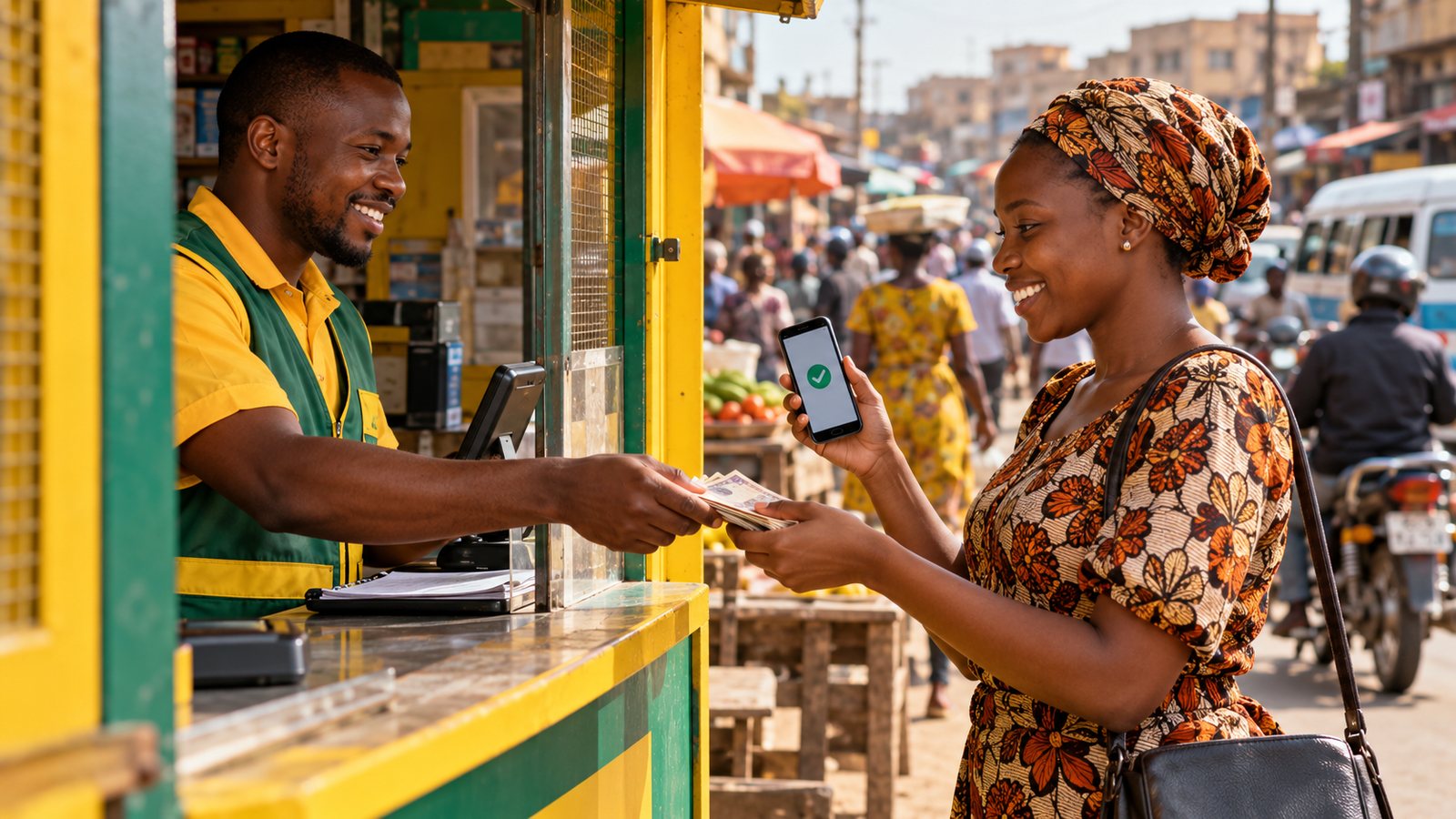
Mobile money has already changed African finance once. It gave millions of people a practical way to move digital value through a device they already owned, without requiring the full structure of traditional banking before they could participate. It became part of how families support one another, how merchants receive payment and how businesses move money.
The next chapter will not simply be about adding more people to mobile money. It will be about making the systems around mobile money significantly more connected.
Today, a payment can still feel surprisingly isolated from the transaction that created it. A customer buys something, sends mobile money and then sends a screenshot because the business system has no idea what just happened. The payment rail works, but the commerce layer around it remains manual.
The future should look different. A payment should understand what it belongs to. If a customer pays for an order, the business should automatically know the order is paid. If a payment fails, the system should know that too. Receipts, inventory and fulfillment can then respond to the transaction without requiring the seller to manually connect every step.
Interoperability will also matter. Users do not wake up thinking about payment networks in the same way providers do. They simply want to send money or pay someone. The more systems can communicate safely across networks and providers, the less the customer needs to care about which technical rail sits underneath the transaction.
This becomes even more interesting when artificial intelligence is added to the interface. A user could ask what they spent this week, schedule a payment, identify an unpaid invoice or request money through natural language. A business owner could ask about collections without manually reading through transaction histories.
This is one of the areas that makes TRIBE interesting to us. We do not think the future of mobile money is simply another layer of menus placed on top of existing mobile money. We think mobile money becomes more powerful when it disappears further into commerce.
The customer orders something and pays. The seller knows the transaction is complete. The system updates what needs to be updated. Nobody spends ten minutes discussing which network is doing the work underneath.
Mobile money brought digital finance closer to everyday life because it adapted to infrastructure that already existed: the mobile phone. The next generation can do something similar by connecting mobile money more deeply to commerce, AI and business software.
The first transformation was putting money on the phone.
The next may be making the rest of the system understand what that money is actually doing.
Written by
TRIBE Editorial
Ideas about AI, money, business and the future of African commerce.
The future is conversational
Commerce should feel this simple.
Sell, get paid, automate your business, and manage customers with TRIBE.
Explore TRIBE