Why Business Software Is Becoming Conversational
Business software has traditionally rewarded people who are willing to learn how it is organized. You learn where the customer section lives, where inventory lives, where reports are generated and...
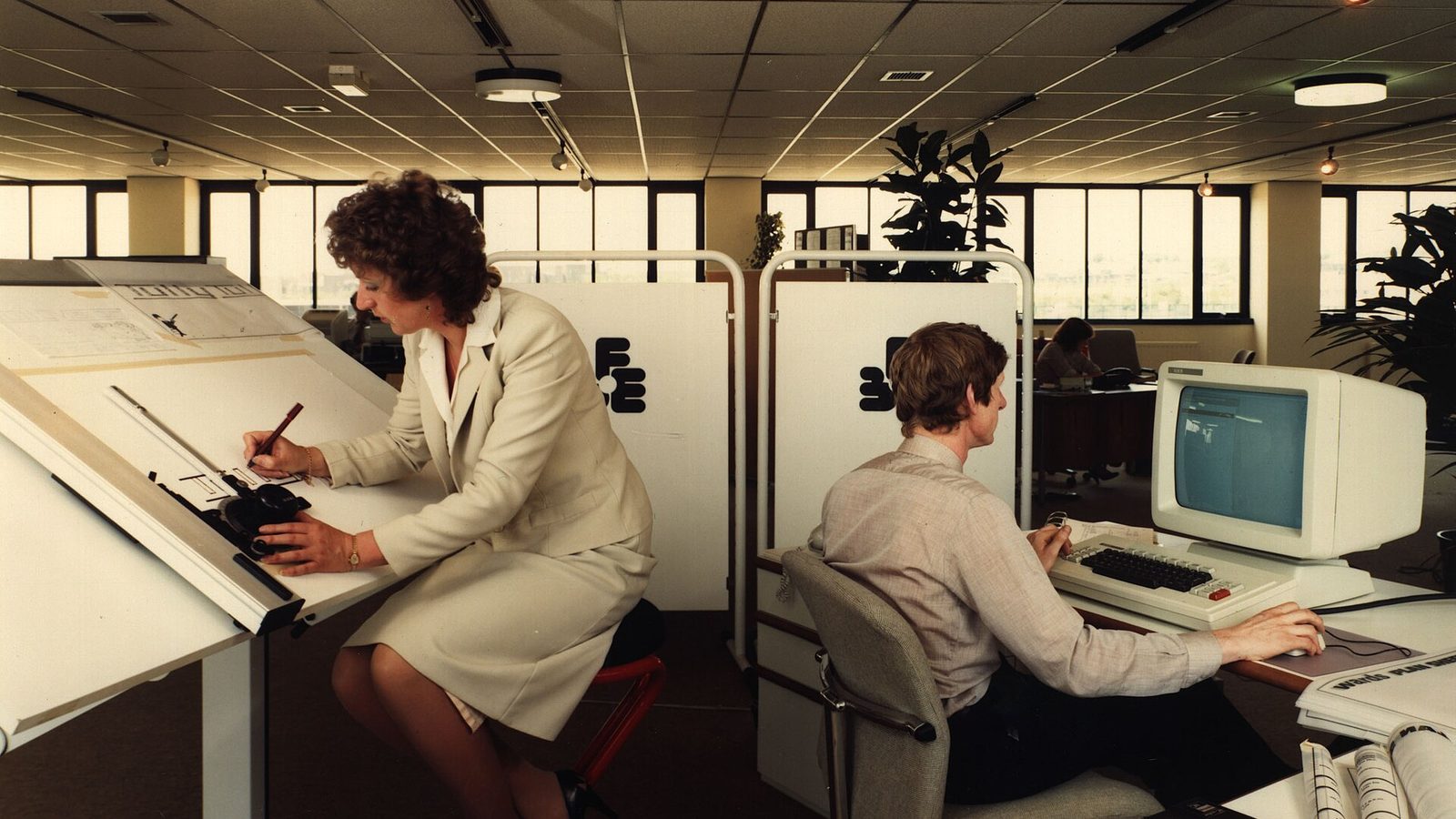
Business software has traditionally rewarded people who are willing to learn how it is organized. You learn where the customer section lives, where inventory lives, where reports are generated and which combination of filters gives you the information you need. Once you understand the system, it becomes useful. Until then, the software often feels like another job.
Artificial intelligence creates an opportunity to reverse some of that relationship.
A business owner may not know which report shows the answer to “What sold the most this month?” but they understand the question perfectly. They may not know where the accounts receivable section is, but they know what they mean when they ask, “Who still owes me money?”
Conversation allows the user to begin with the business problem rather than the structure of the software.
This does not mean traditional interfaces are disappearing. There are many situations where a table, chart, form or dashboard is still the best way to work. A business owner comparing twenty products may want to see the information visually rather than listen to an AI describe everything one sentence at a time.
The change is that the dashboard no longer has to be the only doorway into the system.
This matters greatly for small businesses because complexity has a cost. Every feature must be learned, every employee must be trained and every workflow must be remembered. A large company can absorb that overhead. A small business owner who is already acting as the sales team, operations manager and customer support desk has less patience for software that requires a course before becoming useful.
This is part of the philosophy behind Tia inside TRIBE. We want business owners to be able to interact with payments, customers, inventory and orders through increasingly natural language while still having access to structured interfaces when those make more sense.
Voice makes this even more interesting. Someone standing inside a busy shop may find it easier to ask, “How many black shirts do I have left?” than to stop, open a laptop and navigate through an inventory system.
The future of business software is therefore not chat replacing everything else. It is software becoming more flexible about how people interact with it.
For decades, humans adapted themselves to software because software had no ability to understand us.
Now that software can understand more language, context and intention, there is no reason the entire burden should remain on the user.
The best business software of the next decade may not be the software with the most impressive dashboard.
It may be the software that requires the least explanation before becoming useful.
Written by
TRIBE Editorial
Ideas about AI, money, business and the future of African commerce.
The future is conversational
Commerce should feel this simple.
Sell, get paid, automate your business, and manage customers with TRIBE.
Explore TRIBE

