How to Receive Mobile Money Payments in Cameroon
Mobile money has become so normal in Cameroon that it is easy to forget how significant the change has been. A customer can see something online, speak to the seller, send money from their phone...
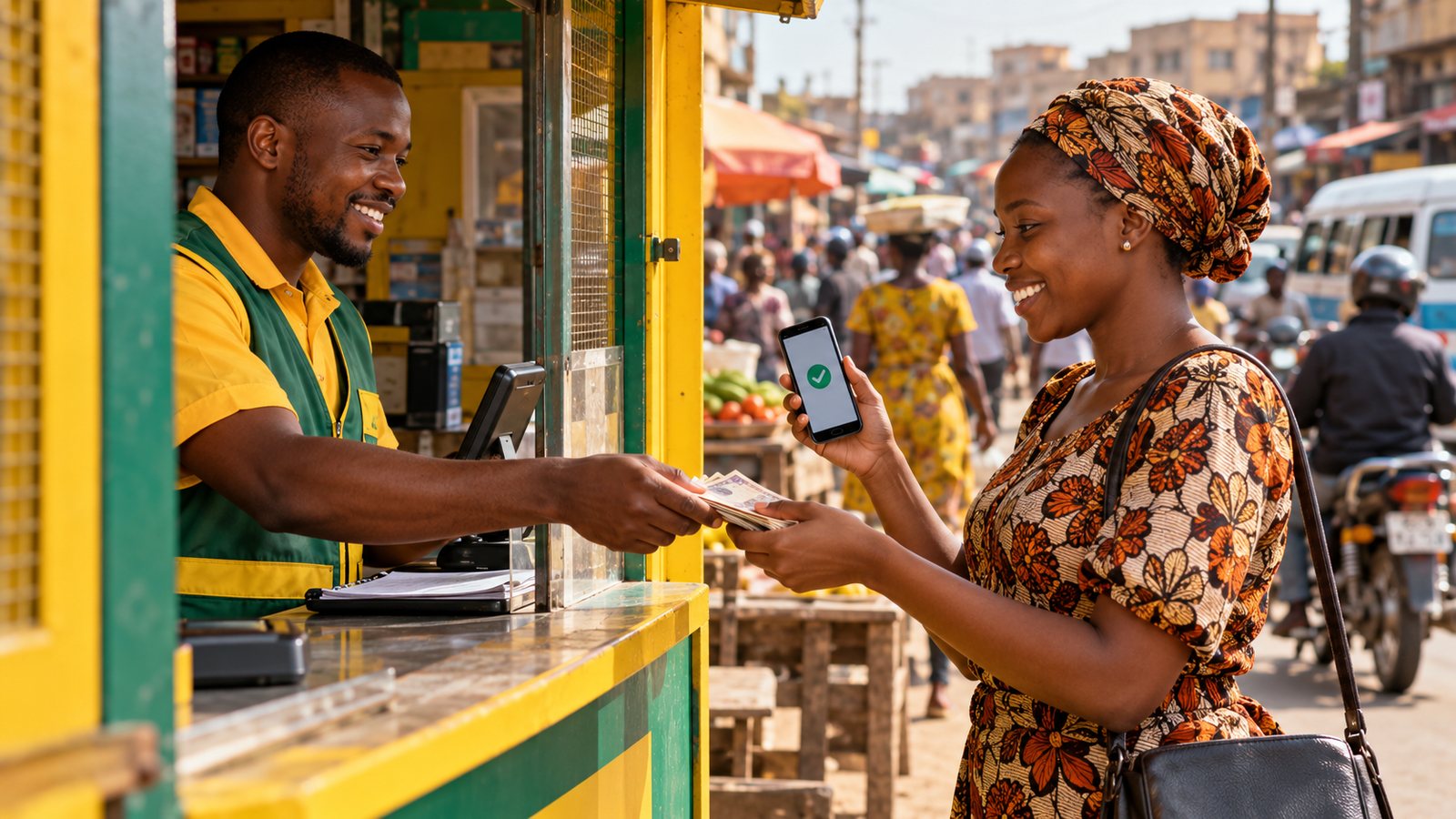
Mobile money has become so normal in Cameroon that it is easy to forget how significant the change has been. A customer can see something online, speak to the seller, send money from their phone and complete a transaction without a bank card, point-of-sale machine or physical cash changing hands. For thousands of businesses, this is already the foundation of digital commerce.
At the smallest scale, receiving mobile money is straightforward. A seller shares an MTN Mobile Money or Orange Money number, the customer makes the transfer and the seller confirms the transaction. This works well enough when a business receives a handful of payments. The difficulty appears when volume increases and the seller suddenly has several people paying at the same time, some from numbers different from the ones they used to place their orders.
This is where reconciliation becomes the real problem. Receiving money is one thing; knowing exactly what that money belongs to is another. A payment should ideally be connected to a customer, an amount, an order and a status. Without that context, the business owner becomes responsible for reconstructing the transaction manually by comparing chats, screenshots and mobile money notifications.
Businesses should also be careful about treating screenshots as proof of payment. A screenshot is communication from the customer, not confirmation from the payment system. The actual transaction record should remain the source of truth, especially as the value and number of payments increase.
As the business grows, merchant payment tools, payment links and API-based systems become more useful. A payment link can connect a particular amount to a transaction, while an API allows a website or application to receive payment status directly from a payment provider. Once that connection exists, successful payment can automatically update an order, generate a receipt or trigger the next step in the business process.
This is the difference between simply collecting mobile money and building payment infrastructure around mobile money. From the customer’s perspective, the transaction may look almost identical. Underneath, however, the business has gained significantly more control and visibility.
This is an important part of the problem TRIBE is trying to solve. We believe the merchant should not have to spend their day behaving like a reconciliation officer simply because customers pay digitally. If an order exists, the payment should belong to that order. If the payment succeeds, the system should know. If something fails, the business should also be able to see that clearly.
Mobile money solved the question of how millions of people could move digital value without depending entirely on traditional banking infrastructure. The next opportunity is making those payments more intelligently connected to commerce.
The future is not simply that more businesses accept mobile money. It is that receiving mobile money stops being a separate administrative task and becomes a natural part of the sale itself.
Written by
TRIBE Editorial
Ideas about AI, money, business and the future of African commerce.
The future is conversational
Commerce should feel this simple.
Sell, get paid, automate your business, and manage customers with TRIBE.
Explore TRIBE